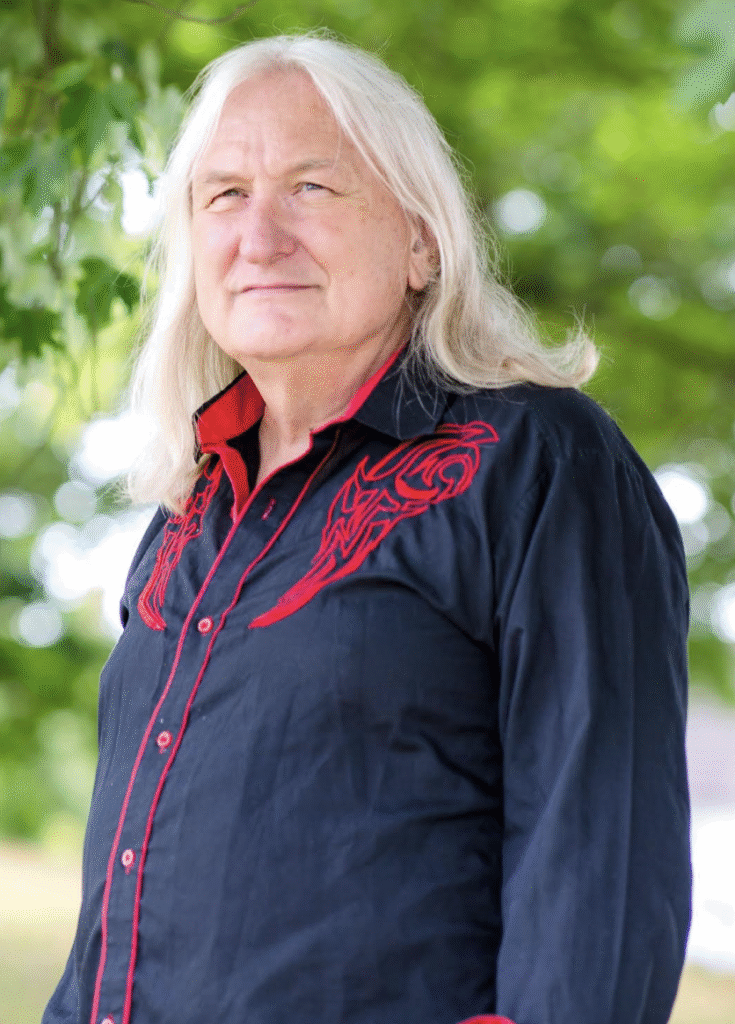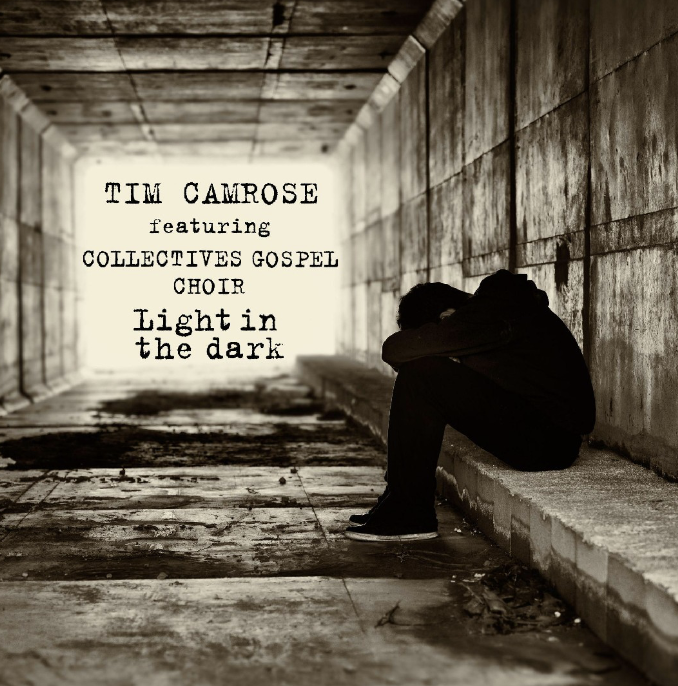

The stethoscope has long since been hung up, and in its place Tim Camrose lifts a microphone with the same steadiness he once brought to the operating theatre. On September 19, 2025, the UK singer-songwriter returns with Light in the Dark, a rousing new single that turns hard-earned empathy into song and places compassion at the center of its chorus.
Camrose didn’t arrive at this moment by the usual route. A London-raised musician who pressed pause to become a surgeon and university professor, he spent four decades at the frontline of care. During those years he treated homeless young people who had been assaulted—encounters that left a mark deeper than any chart position could. Light in the Dark channels those experiences into a message that refuses to condescend, crystallized in the line: “You don’t want my pity, just a chance to show the world what you can do.” That conviction is why the single lands in step with World Homeless Day, framing the song as a beacon rather than a ballad of sorrow.
Listeners may recognize the title from Half of My Life, Camrose’s 2022 debut album. This isn’t a simple reissue. He has revisited the song with a renewed vocal and enlisted the Collectives Gospel Choir, whose harmonies widen the frame from personal testimony to communal uplift. The partnership rekindles the spark they brought to his earlier track Fly Again, but here the choir’s lift feels like open doors and turned-on lights, an audible invitation toward dignity and hope.
If your shelves lean toward the storytelling grit of Bruce Springsteen, the piano-forward candor of Billy Joel, or the melodic assurance of Elton John, Camrose is speaking your dialect. He writes with an eye for people and places, a sensibility that powers his forthcoming collection American Stories—a set shaped by the cityscapes and shorelines of Chicago, New York, San Diego, and Venice Beach, and by a still-unrealized dream of taking the stage in Nashville.
Retirement from medicine hasn’t softened his focus; it has sharpened it. Light in the Dark is the kind of song that seeks to do more than sound good—it wants to stand beside those it sings about. Camrose isn’t asking for sympathy on anyone’s behalf, only for the space and attention that allow people to be seen. In that way, it’s both a personal milestone and a public invitation: listen closely, then look closer.