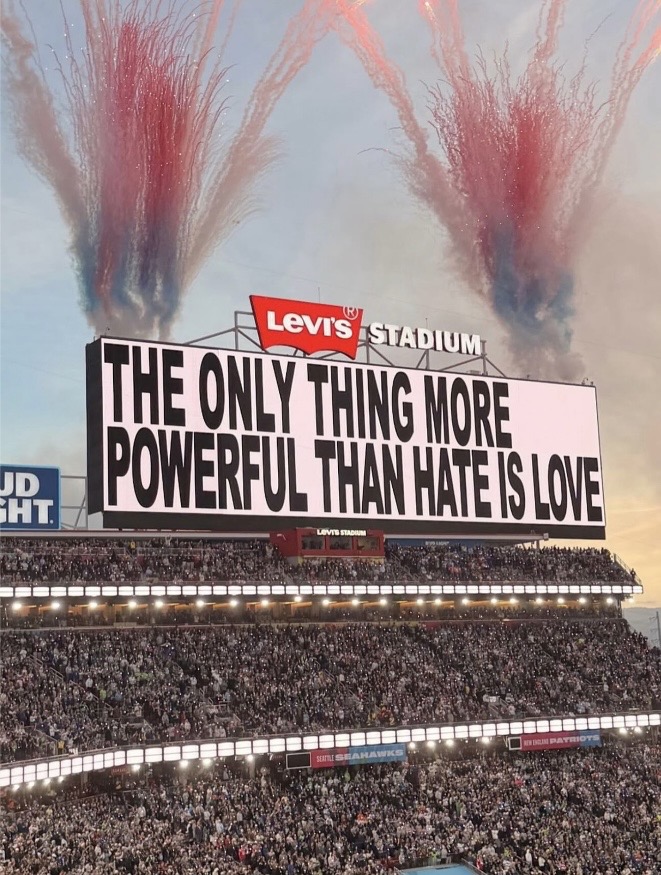

Bad Bunny’s Super Bowl halftime show wasn’t just a performance — it was a cultural statement. On one of the most watched stages in the world, the Puerto Rican artist delivered a show that centered Spanish-language music, Latin identity, and unapologetic representation. For millions of viewers, it felt like history unfolding in real time.
The Super Bowl has always been about spectacle, but Bad Bunny transformed the halftime show into something deeper: a celebration of Latino culture that resonated far beyond the stadium.
A Bold Opening Rooted in Identity
From the very first seconds, Bad Bunny made it clear this show would be different. Instead of easing into familiarity, he leaned fully into his roots. The visuals, rhythms, and staging immediately reflected Latin culture, setting the tone for a performance that didn’t ask for permission to exist — it claimed the space confidently.
This opening wasn’t just visually striking; it was symbolic. It told audiences that this was a Super Bowl halftime show led by Latin culture, not adapted for it.
Spanish-Language Music on the World’s Biggest Stage
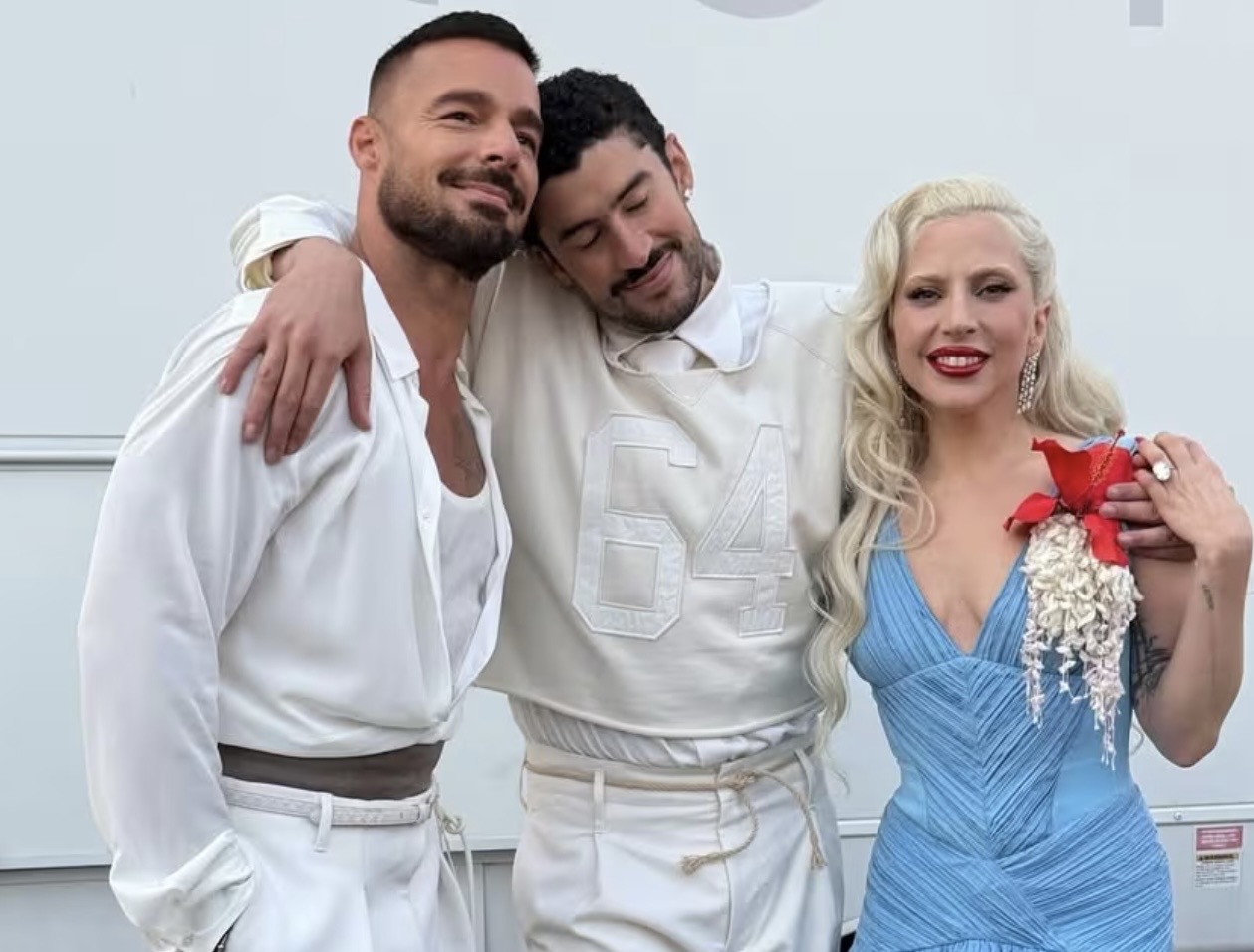
One of the most powerful elements of the performance was Bad Bunny’s commitment to Spanish. Performing predominantly in Spanish at the Super Bowl challenged long-standing assumptions about language, mainstream appeal, and global pop culture.
Rather than dilute his sound or message, Bad Bunny proved that Spanish-language music belongs at the center of global entertainment — not the margins.
Visual Storytelling That Celebrated Community
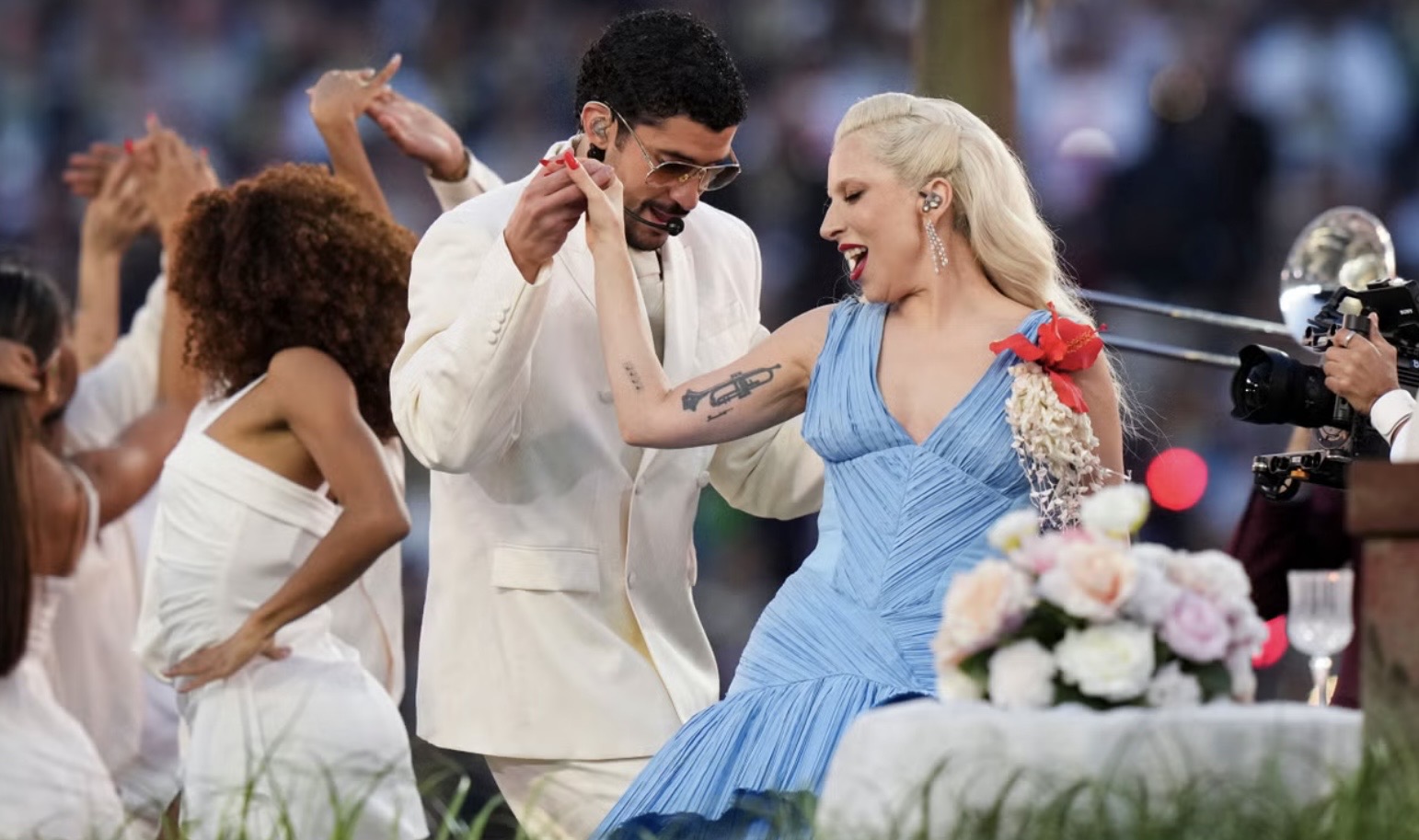
The show leaned heavily into storytelling through visuals. Elements representing home, community, and everyday Latin life played a major role, grounding the spectacle in authenticity. Instead of abstract symbolism, the performance felt personal and human.
These choices reinforced the idea that Latino stories — ordinary, joyful, complex — deserve to be told on the biggest stages.
A Setlist That Reflected an Era
Bad Bunny’s song selection captured different phases of his career while staying true to his sound. The energy shifted seamlessly between introspective moments and explosive crowd-pleasers, reflecting the emotional range that has defined his global success.
The performance didn’t feel like a greatest-hits checklist. It felt like a curated narrative of who Bad Bunny is and what his music represents.
Representation That Felt Genuine
Representation only matters when it feels real, and Bad Bunny’s halftime show avoided tokenism entirely. This wasn’t a Latino-themed segment added to a mainstream event — it was a Latino-led performance that reshaped the event itself.
For many Latino viewers, the show felt deeply personal. Seeing familiar sounds, language, and cultural references presented without translation or explanation was both validating and empowering.
Breaking Barriers Without Compromise
Bad Bunny’s Super Bowl appearance challenged the idea that artists must conform to English-language norms to reach global audiences. His success demonstrated that authenticity is not a limitation — it’s a strength.
By refusing to compromise his identity, he expanded what mainstream American pop culture looks and sounds like.
A Moment for the Next Generation
Beyond entertainment, the halftime show sent a powerful message to young Latino artists and fans: your culture is not something to hide or soften. It belongs everywhere, including the biggest stages in the world.
That impact will likely be felt for years, influencing how future artists approach visibility, language, and creative control.
Why Bad Bunny’s Super Bowl Show Will Be Remembered
Bad Bunny’s Super Bowl halftime show will be remembered not just for its energy or production, but for its meaning. It marked a shift in how Latino culture is represented in global media — not as a trend, but as a central force.
This wasn’t about crossover appeal. It was about arrival.